
Michele A. Lebron | January 6, 2026 | Divorce near Kissimmee, FL

Affidavits are a common part of legal proceedings in Florida family law cases. You may be required to complete and sign one in various contexts, including during a divorce matter. However, many people are uncertain about what an affidavit actually is, as well as who the “affiant” refers to when signing one.
In simple terms, the affiant is the person making a sworn statement under oath. Learning more about this role is critical because submitting false information in an affidavit can have serious legal consequences.
What Is an Affidavit?
An affidavit is a written statement that someone swears to be true before an authorized official, such as a notary public. It serves as evidence in court proceedings and is commonly used in place of live testimony.
In Florida family law, affidavits are often required for issues such as:
- Financial disclosures during divorce proceedings
- Child support calculations and modifications
- Paternity and parental responsibility disputes
- Protective injunction requests
By signing an affidavit, the person affirms that all statements made in the document are accurate to the best of their knowledge. Since the affidavit is made under oath, providing false information can result in charges of perjury under Florida Statutes § 837.012.
What Is the Affiant’s Role?
The affiant is the person who signs (and sometimes writes) the affidavit. They are responsible for verifying that every statement in the document is truthful. The affiant’s signature is what gives the affidavit its legal force.
When signing, the affiant must do so in the presence of a notary public or other official, such as a court clerk. The official’s job is to verify the affiant’s identity and confirm that the statement is being made voluntarily. Once notarized, the affidavit becomes an official legal document that can be submitted in court.
For example, in a divorce case, one spouse may serve as the affiant in a financial affidavit, declaring their income, assets, and debts. The court then may rely, at least in part, on this document to make decisions about things like alimony and property division.
The Importance of Accuracy When Signing an Affidavit
Affidavits play a major role in helping Florida courts resolve disputes fairly. Judges often rely on them when reviewing financial details and assessing allegations of misconduct, to name just a couple of examples. As a result, every statement must be complete and accurate.
If an affiant knowingly includes false information or omits important facts, they can face:
- Criminal penalties for perjury, as mentioned above
- Fines and contempt of court charges
- Loss of credibility during future hearings
Any mistakes, however small they may be, can create delays and complications in your case. It’s always wise to carefully review your affidavit with an experienced family law attorney before signing it.
How Florida Family Law Uses Affidavits
Family law cases in Florida often involve multiple affidavits throughout the process. One of the most common is the Family Law Financial Affidavit, which both parties are typically required to file. This document outlines each person’s income, monthly expenses, assets, and liabilities.
Other affidavits may include:
- Affidavit of Service, confirming that legal documents were properly delivered
- Affidavit of Diligent Search, used when a spouse’s location is unknown
- Affidavit of Indigency, filed when requesting court fee waivers
Each of these forms must be completed accurately and signed by the affiant before being submitted to the court.
Contact a Kissimmee Family Law Attorney for Legal Help in Florida
If you’ve been asked to sign an affidavit in a Florida family law case, take the time to understand exactly what you’re signing. A trusted family law attorney can review your documents and ensure that all of the required information is correct. From there, they work to effectively protect your legal interests throughout the process.
Accuracy and honesty are key to a successful outcome in this area of the law. Contact a trusted Kissimmee family lawyer with Lebron Law, PLLC, today for a free consultation and legal guidance before signing any affidavit.
For more information, contact our experienced Kissimmee family law & divorce attorneys at Lebron Law, PLLC to schedule a free consultation.
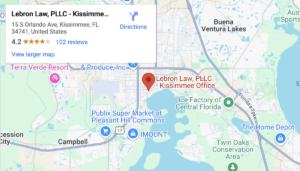
We serve all through Osceola County and its surrounding areas in Florida. Visit our office at:
Lebron Law, PLLC Kissimmee
15 S Orlando Ave, Kissimmee, FL 34741
(321) 800-5195