
Michele A. Lebron. Esq. | July 29, 2025 | Divorce near Kissimmee, FL

When a divorce or family law action is initiated, one of the first and most crucial steps is serving process on the other party. The service of process is how one party gives appropriate notice of legal action to another party.
In most jurisdictions, this task falls to a process server, who is a hired professional tasked with delivering legal documents such as complaints, subpoenas, summonses, and other court papers.
In Florida, process servers must follow specific laws and procedures regarding how, when, and to whom documents can be delivered. Failure to adhere to these procedures can result in delays, dismissals, or other complications.
Common Methods of Service
There are several methods of service that process servers use to deliver legal documents, such as a divorce complaint:
- Personal Service: This is the most straightforward and preferred method. The server physically hands the documents to the individual being served. The recipient does not need to accept the papers or even touch them. Once the server identifies the individual and informs them of the nature of the documents, leaving them in their presence is sufficient in most jurisdictions.
- Substitute Service: If personal service is not possible, many jurisdictions allow substitute service. This usually involves leaving the documents with someone of suitable age and discretion at the defendant’s home or workplace, followed by mailing a copy to the same address.
- Service by Mail: In certain circumstances, especially in civil cases, service can be completed through certified or registered mail. However, the sender must typically receive a return receipt signed by the recipient to confirm delivery.
- Service by Publication: Courts may allow service by publication if a defendant is particularly evasive or cannot be located after due diligence. This involves publishing the notice in a newspaper or public forum approved by the court. However, this is usually a method of last resort.
Some jurisdictions are moving toward electronic service, allowing documents to be served via email or other digital means. However, court approval is typically required.
What a Process Server Can Legally Do
A process server is allowed to:
- Approach someone in public to serve documents.
- Wait outside a residence or workplace at reasonable times.
- Disguise themselves (e.g., as a delivery driver) to make contact. However, the process server cannot impersonate law enforcement or deceive a party about the nature of the documents.
- Serve someone at any location where the server can legally be present, such as in public areas or common spaces.
They can also attempt multiple visits at different times and days to catch the recipient at home or work, and they may observe and gather information about a person’s routines to facilitate successful service.
What a Process Server Cannot Do
Process servers cannot use any method or tactic to deliver documents.
They must follow all relevant laws and court procedures and adhere to the following:
- No breaking and entering: A server may not force entry into a private home or secured building.
- No impersonating law enforcement: They cannot claim to be a police officer, sheriff, or any official authority.
- No harassment or threats: Aggressive behavior, stalking, or intimidation is unlawful.
- No trespassing on private property: While servers can knock on doors, they cannot typically ignore clearly posted “No Trespassing” signs.
- No deceptive practices that violate state laws or ethical standards, such as lying about their identity or purpose.
Improper or invalid service can have significant legal ramifications. If a defendant was not served correctly, a court may dismiss a case or delay proceedings. Moreover, evidence of misconduct by a process server could lead to sanctions.
Contact the Kissimmee Divorce Lawyer at Lebron Law, PLLC for Help Today
Understanding what a process server can and cannot do not only protects the rights of the parties involved but also safeguards the integrity of the judicial process. Contact an experienced Kissimmee divorce lawyer at Lebron Law, PLLC if you’ve been served with family law documents and need help protecting your best interests. We offer free consultations.
Lebron Law, PLLC
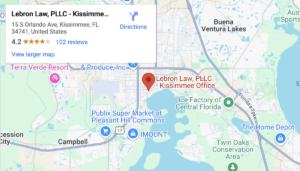
15 S Orlando Ave, Kissimmee, FL 34741
(321) 800-5195