
Michele A. Lebron | September 29, 2025 | Child Custody

Going through a divorce or separation in Kissimmee, Florida, is never easy, especially when children are involved. One of the most important decisions parents must make is how to handle parenting responsibilities. Should you choose Shared Parental Responsibility, and what does that mean for your family?
Florida courts generally favor Shared Parental Responsibility, meaning both parents make decisions about their child’s upbringing. This can cover education, medical care, and religious matters. Before agreeing to this arrangement, it’s important to understand both the advantages and disadvantages.
What Does Shared Parental Responsibility Mean in Florida?
Shared Parental Responsibility is Florida’s legal standard for how parents make decisions together after separation. Unlike “custody,” which Florida no longer uses, Shared Parental Responsibility focuses on both parents working together for their child’s best interests.
Courts may also decide on Timesharing, which refers to how much physical time a child spends with each parent. These two concepts often work together, but they are not the same.
Pros of Shared Parental Responsibility
Shared Parental Responsibility can provide many benefits for children and parents alike.
Some advantages include:
- Both parents remain actively involved in important decisions.
- Children see cooperation, which helps with adjustment.
- Shared responsibility prevents one parent from being overwhelmed.
- Kids maintain stronger relationships with both parents.
When parents can communicate respectfully, Shared Parental Responsibility often leads to healthier outcomes for everyone.
Cons of Shared Parental Responsibility
Of course, this arrangement is not without challenges.
Parents should consider whether they can manage the potential downsides, such as:
- Disagreements over important decisions, like schooling or healthcare.
- Confusion if parents have different rules in separate homes.
- Extra stress for children if communication is hostile.
- More difficult logistics when coordinating schedules and activities.
While these challenges are real, many families can overcome them with strong planning and cooperation.
What Factors Do Florida Courts Consider?
Florida courts apply the “best interests of the child” standard when determining Shared Parental Responsibility.
Judges look at several factors, including:
- Each parent’s willingness to foster a positive relationship with the child.
- The ability to make joint decisions without conflict.
- The child’s age, health, and specific needs.
- Any history of domestic violence, abuse, or neglect.
- The stability of each parent’s home environment.
These factors help ensure that custody decisions prioritize the child’s well-being above all else.
Tips for Making Shared Parental Responsibility Work
If you and your co-parent agree to Shared Parental Responsibility, preparation can make the process smoother.
Here are some ways to set yourself up for success:
- Create a detailed parenting plan that covers decision-making and Timesharing schedules.
- Use shared calendars or co-parenting apps, like OurFamilyWizard, to stay organized.
- Stay flexible when unexpected issues arise.
- Keep conversations child-focused and respectful.
Putting these steps into practice can reduce conflict and give your child a stronger sense of stability.
When Shared Parental Responsibility May Not Be Appropriate
Although Florida law presumes that Shared Parental Responsibility is in the child’s best interests, there are cases where it may not work. Courts can award one parent sole decision-making authority if evidence shows that shared decision-making would harm the child.
Examples include:
- A history of domestic violence, child abuse, or neglect
- Substance abuse issues that affect parenting ability
- Severe conflict making cooperative decision-making impossible
- Situations where one parent consistently ignores court orders
In these cases, the judge may grant one parent “sole parental responsibility,” giving them the exclusive right to make decisions for the child. This ensures the child’s safety and stability come first.
Contact the Kissimmee Child Custody Lawyer at Lebron Law, PLLC for Help Today
Choosing Shared Parental Responsibility is one of the most important decisions you’ll make for your child. At Lebron Law, PLLC, we guide parents through every step of the process and fight for arrangements that protect children’s best interests. If you’re considering this option, call us today to schedule your free consultation with a trusted child custody attorney.
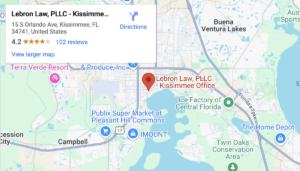
We serve all through Osceola County and its surrounding areas in Florida. Visit our office at:
Lebron Law, PLLC Kissimmee
15 S Orlando Ave, Kissimmee, FL 34741
(321) 800-5195